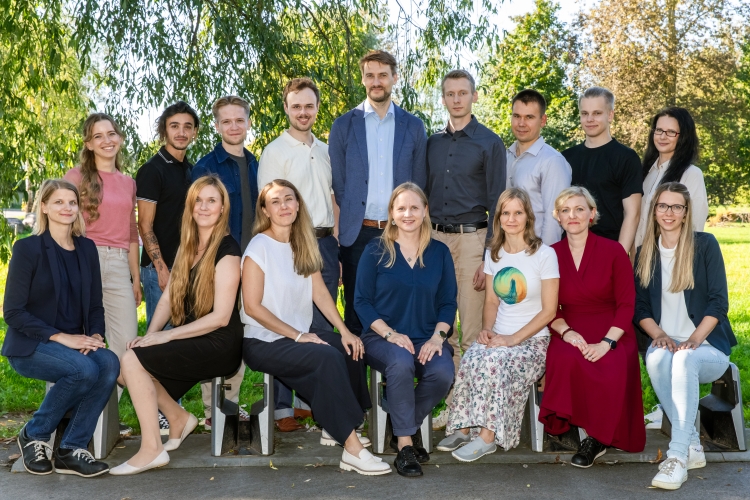
At the dawn of 2026, it’s again time to look back what the past year brought to the Mobility Lab! We’re a group of researchers keen in human mobility studies and geospatial analytics. Our research is not only about understanding the society and human behaviour in its socio-spatial context, but also how that knowledge could support governance and decision-making towards equal opportunities, resilience, and sustainability.
Most importantly, in 2025, we welcomed Jaanika Jaanits, a Doctoral Researcher, and Olle Järv, a Visiting Professor, in our team! Jaanika – with a background in ethnology and cultural anthropology – is studying social influence on human mobility behaviour (read more from this post). Olle, our alumnus, has found his way back to Tartu via a one-year-long Expatriate Estonian Visiting Professorship award (read more here). We are just delighted to have them (re-)joined our lab!
Furthermore, master’s students Jürgen Öövel and Kaur-Markus Mirka are actively involved in lab activities, regarding work on both projects and their thesis as well as the upcoming Mobile Tartu 2026 conference.

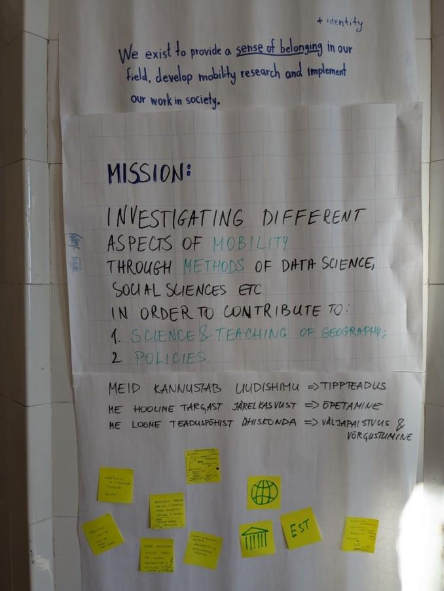
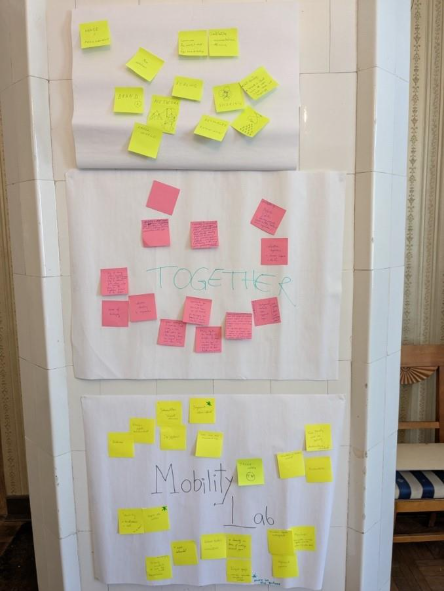
Throughout the spring semester, we held a series of development seminars and smaller work group meetings to go through and renew our internal lab agreements and procedures. As the lab is constantly evolving and new people are joining, this process gave us an opportunity to rethink our identity as a lab, the value it generates, and how everyone of us can help achieve common goals.
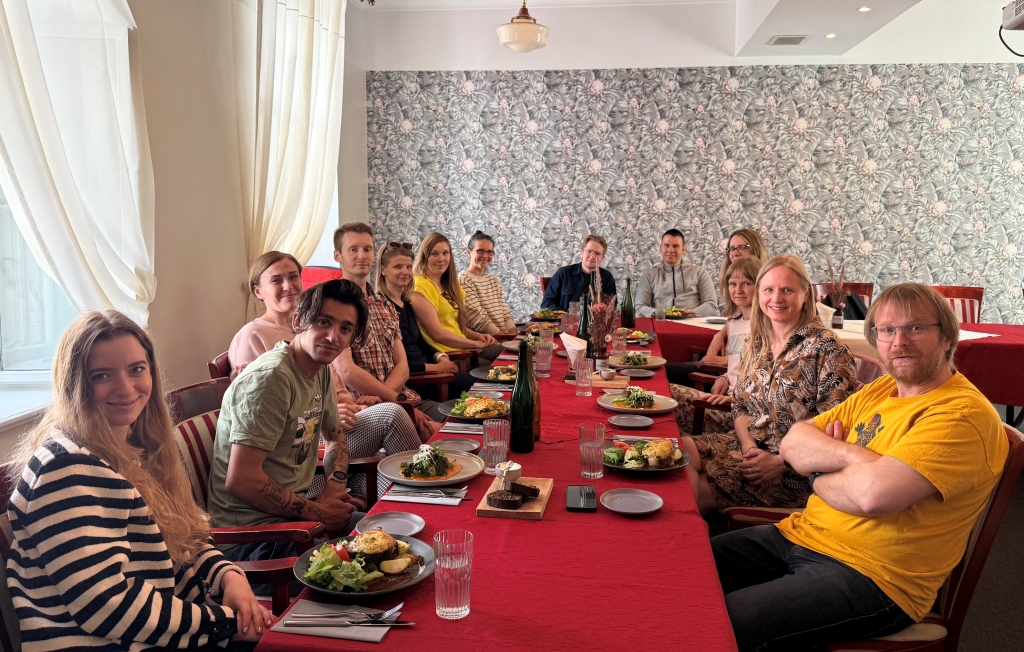
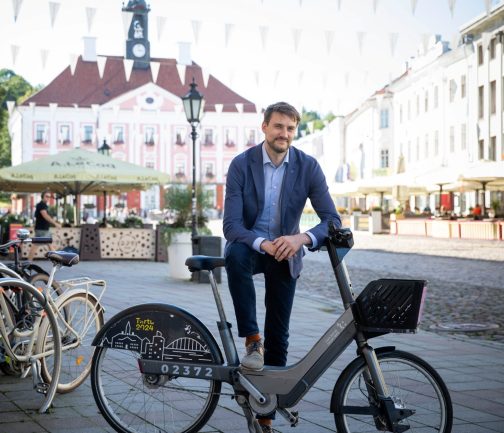
2025 marked the launch of some applied projects. Most importantly, we started to develop an activity-based mobility model for Estonia, with Transport Administration as the main client and Positium, ITS Lab and Centre of IT Impact Studies at the University of Tartu, STACC, Statistics Estonia, Goudappel B.V., Liikuvusagentuur, and Skepast & Puhkim as partners. One of the challenges we have taken with this innovation and development project is to bring together the highly diverse data on mobility, population, and spatial context in Estonia.
Furthermore, lab members were active in applied research for Estonian city governments making use of passive mobile positioning data, either in the field of tourism or idenfitying ground risks in drone operations.
We also have an opportunity to develop further the Infotechnological Mobility Observatory in a 5-year-long research infrastructure project. IMO is a comprehensive data infrastructure on human mobility, population, and locational data. It includes register-, survey-, and sensor-based data sets with the aim to harmonise their metadata and spatiotemporal resolution. We develop this core data infrastructure together with the Centre of Migration and Urban Studies, our fellow research lab at the Department of Geography.
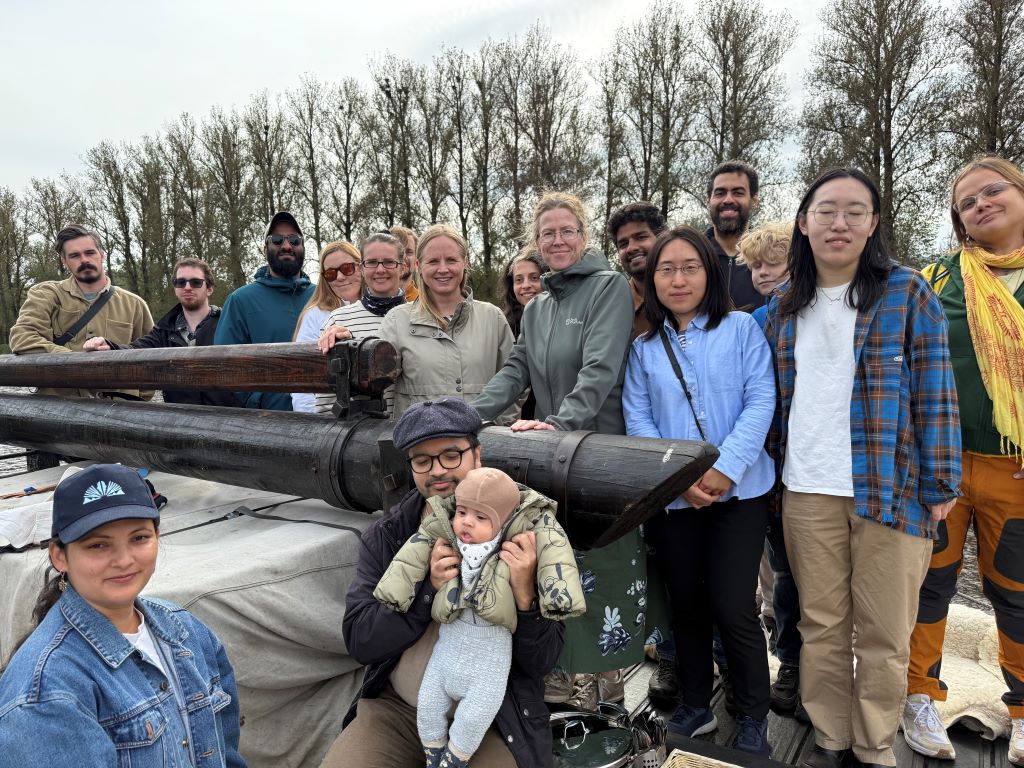
Other ongoing projects – Cycle4Climate, V2G-QUESTS, SUNSET, oPEN Lab, Living Segregated Lives – were continued with their research activities. In Autumn and September, we organised the consortium meetings of both V2G-QUESTS and SUNSET projects. Next to scientific presentations, training sessions, and discussions, these meetings also involved field trips and joyful social networking activities in town or on the river Emajõgi.

We disseminated our research results as research publications, reports, presentations, and media outreach. The year involved conference attendances both in Estonia and abroad. Locally, the most important event was the Annual Conference of the Estonian Associations of Sociologists, in which Siiri, Ago, Janika, Age and Daiga presented their research results. Internationally, AAG Annual Meeting in Detroit, ITF Transport Statistics Meeting in Paris, Conference on Location Based Services in Espoo, NECTAR tourism cluster meeting in Como, Science Summit 2025 (online), Cycling Conference in Riga, or EIT Urban Mobility Doctoral Training Network’s Annual Forum in Lisbon were some of the presentation venues for Age, Janika, Veronika, Ago, Martin, Elise, and Michele.
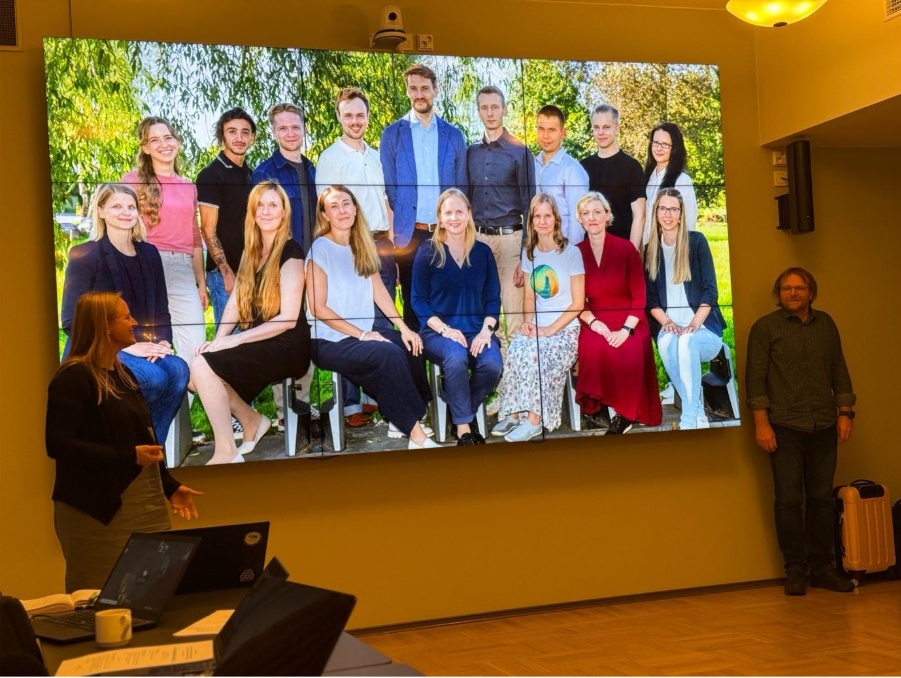
At the end of the year, together with other members of the Chair of Human Geography, we visited our friends at the Digital Geography Lab at the University of Helsinki. The research seminar “Registers, Synthetic Population and Activity Spaces: From Hägerstrand to Register-based Mobility Studies” was locally facilitated by Olle Järv, Kerli Müürisepp, and Tuuli Toivonen, and led by Tiit Tammaru from our end. It was a great change of ideas for advancing research on human mobility based on register data at our statistical offices.
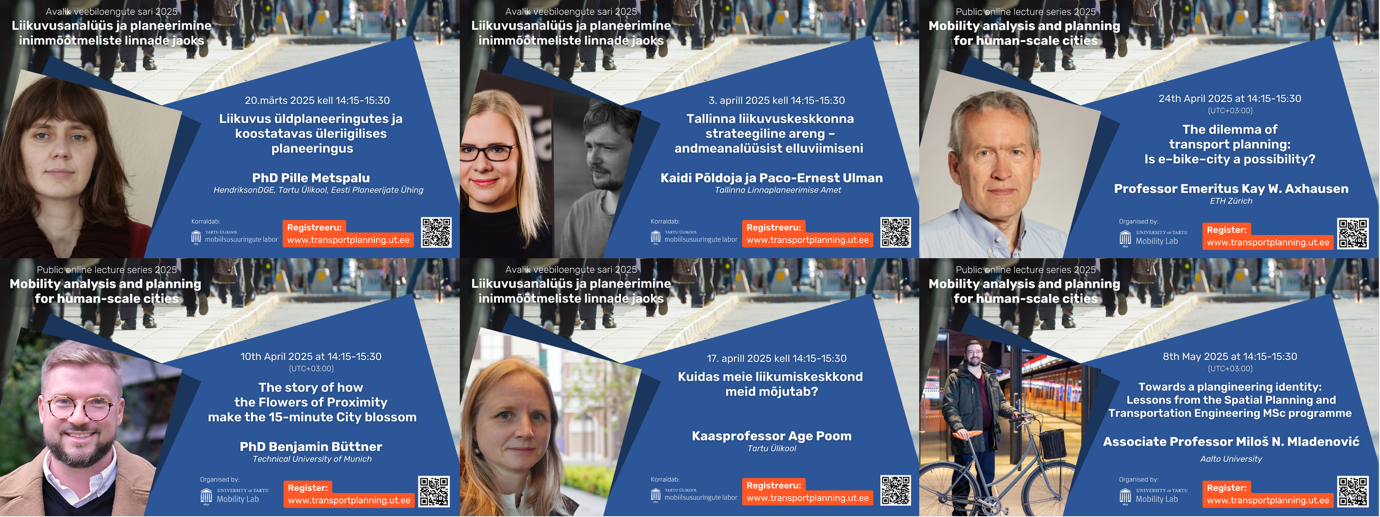
For the fourth year, we organised the online lecture series on “Mobility analysis and planning for human-scale cities”. This year, Dr. Pille Metspalu from HendriksonDGE, Kaidi Põldoja and Paco-Ernest Ulman from Tallinn Urban Planning Department, Dr. Benjamin Büttner from Technical University of Munich, Prof. Kay Axhausen from ETH Zürich, Assoc. Prof. Miloš Mladenović from Aalto University, and Assoc. Prof. Age Poom from our own lab talked about their research and applications to facilitate sustainable mobility in our cities and urban regions. The descriptions and recordings of all lectures are available online.
International networking was advanced also by the membership of our doctoral researchers Martin Haamer and Elise Jalonen in the EIT Urban Mobility Doctoral Training Network. This is a two-year training programme for PhD candidates on innovation and entrepreneurship in the field of urban mobility. In September, Elise, Martin and Anto participated in the DTN Annual Forum in Lisbon. The next annual forum will already be held in Tartu in June 2026 just after the Mobile Tartu conference!
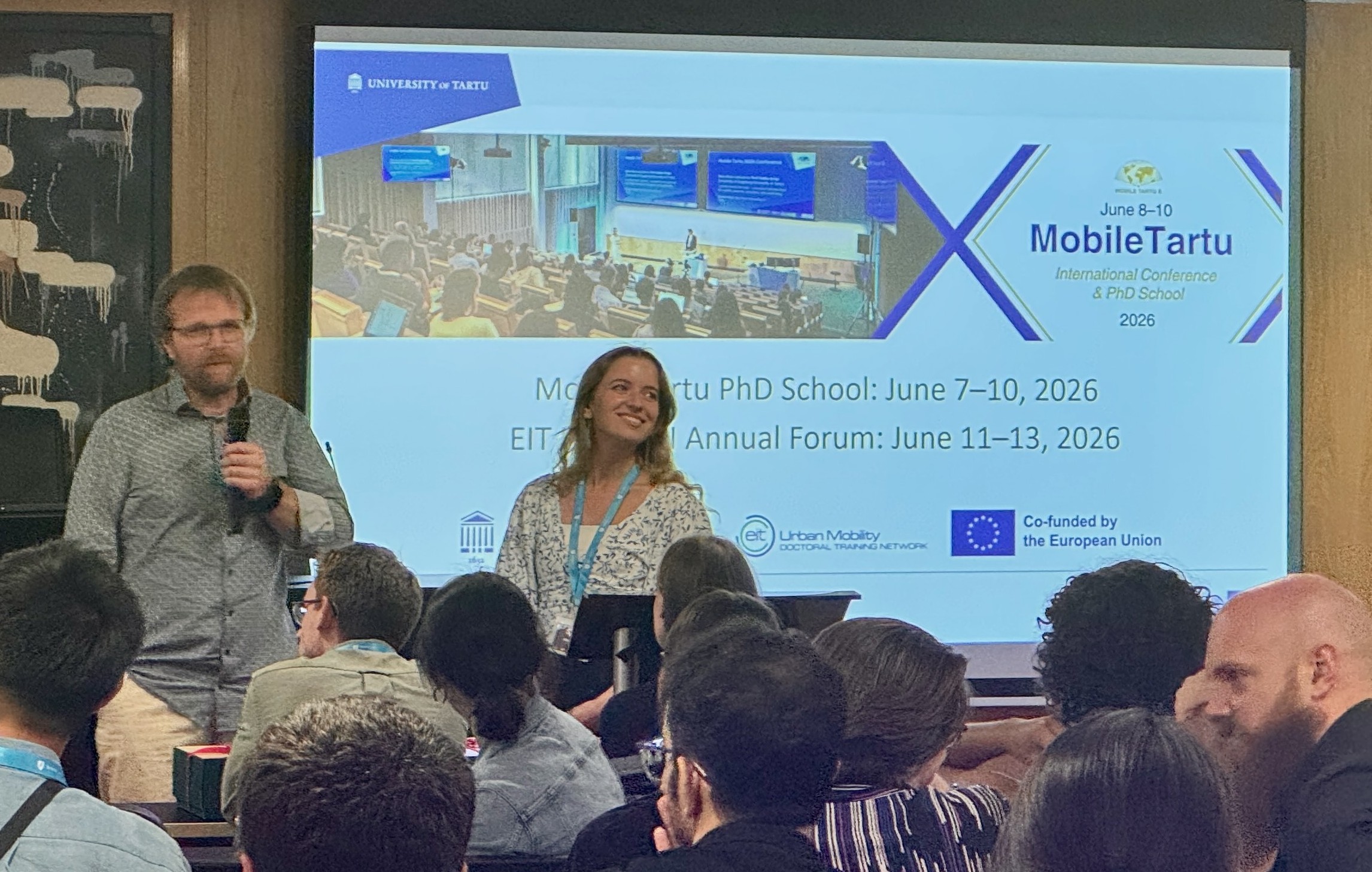
We continued teaching around ten courses for bachelor’s and master’s students at the University of Tartu, while Anto and Age were involved in teaching activities also in Augsburg and Uppsala. Four students defended their Bacheror’s or Master’s thesis under lab members’ supervision in 2025. More to come in 2026!
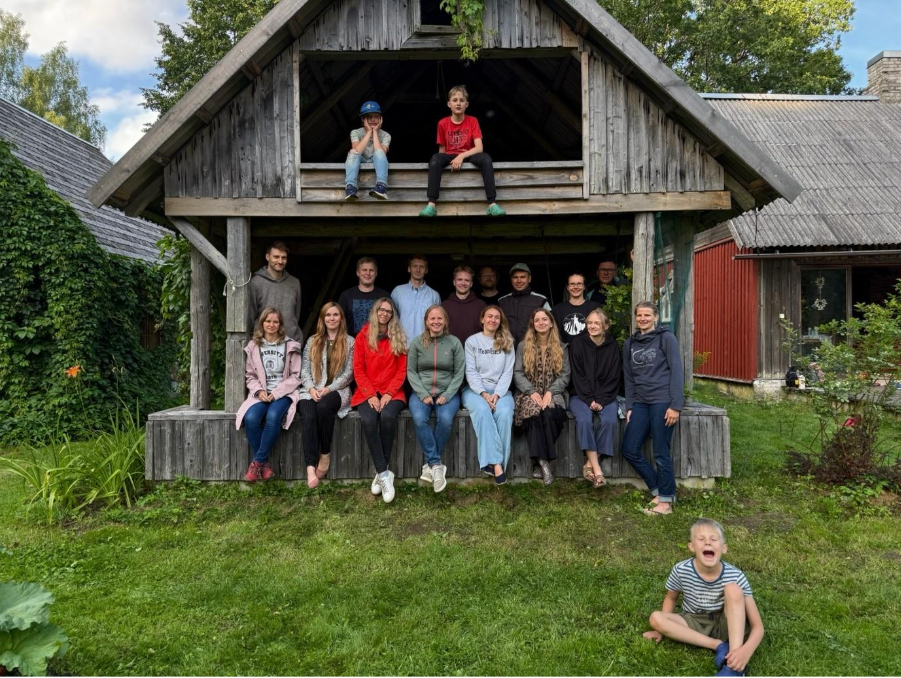
Next to research, teaching, and outreach actions, we held our lab traditions to gather in Kooraste village in August and celebrate upcoming Christmas in December. In the summer seminar, this year’s guest was Olle Järv, who presented his research on multilocal lifestyles in border regions.
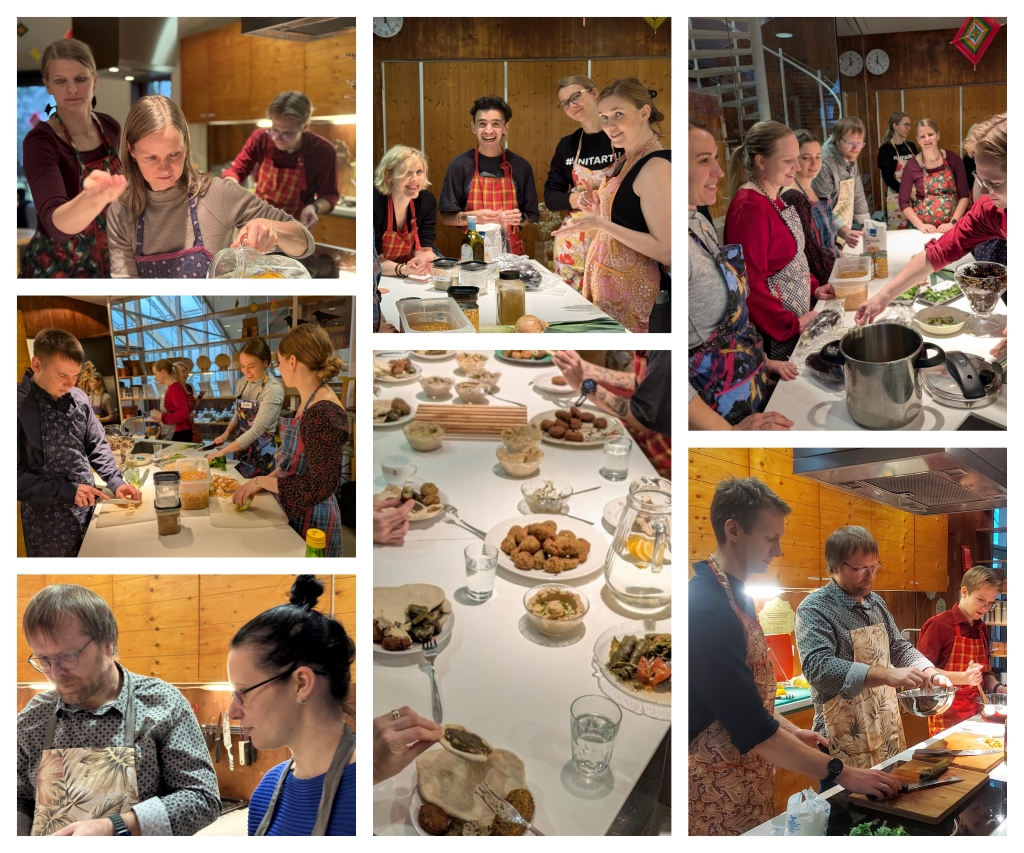
We hope next year will be as rich of exchanges as 2025. We wish you all a joyful, inspiring, and rewarding year 2026!
The Mobility Lab of the University of Tartu is an interdisciplinary research group that studies human mobility and its associations with society and the environment using mobile (big) data.