Our research interests include diverse topics related to human mobility such as human presence and spatial mobility, social networks and socio-spatial inequalities in activity space, environmental exposure and urban sustainability, tourism and transnational lifestyles, as well as dynamic populations and crisis management. Since the 2000s, we have been the pioneers of mobile phone data-based research and methodological development for governance and official statistics.
Travel behaviour and daily activity spaces
Understanding human mobility and the behaviour that shapes it is key to exploring how people interact with space, society and the environment. We study movement patterns in diverse spatial and temporal contexts, from daily commutes to international migration, and we are pioneers in activity space-based research.
- Shaping travel behaviour: how organisational culture, social networks and life transitions shape mobility practices, and which nudges and interventions work.
- Daily activity spaces and time use: spatiotemporal analysis of where people spend their time, social differences in activity space and functional regions.
- Environmental exposure: combining mobility data with greenery, noise and air quality to assess exposure to environmental benefits and harms.
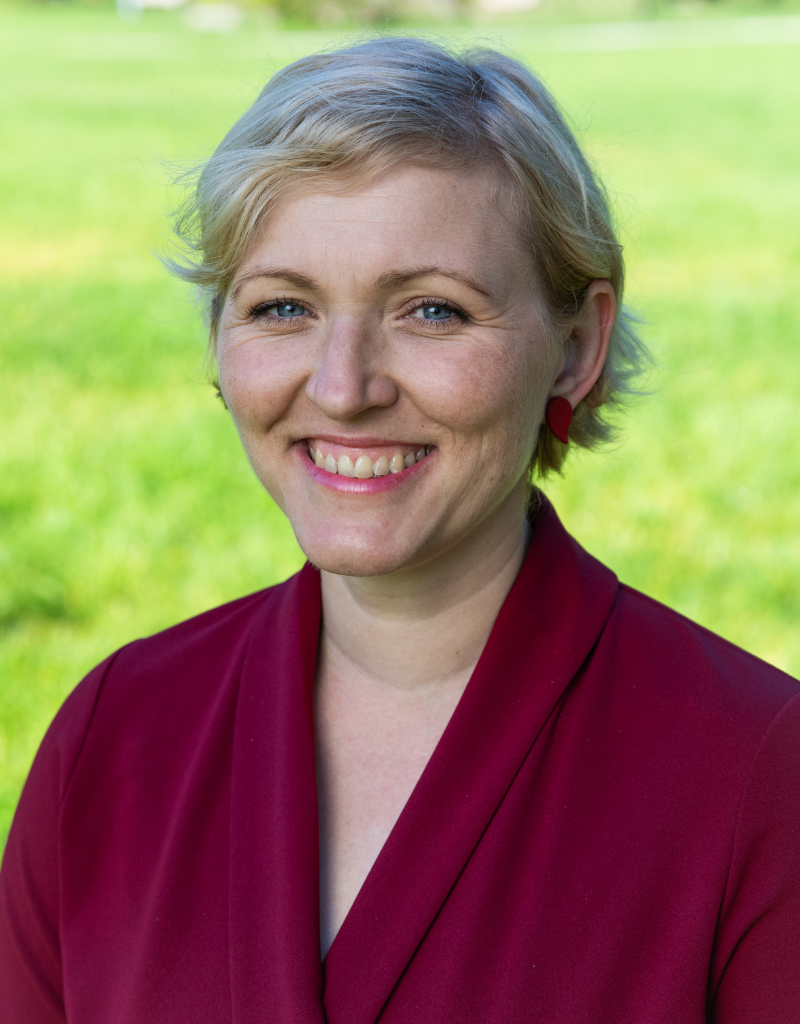
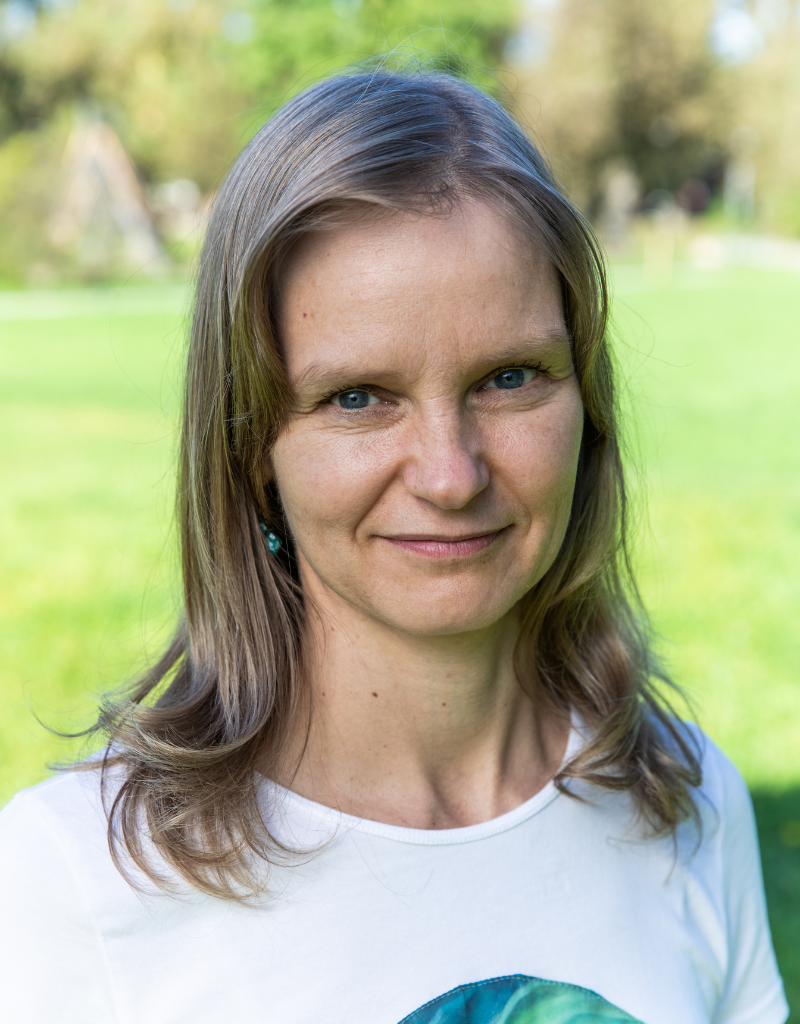
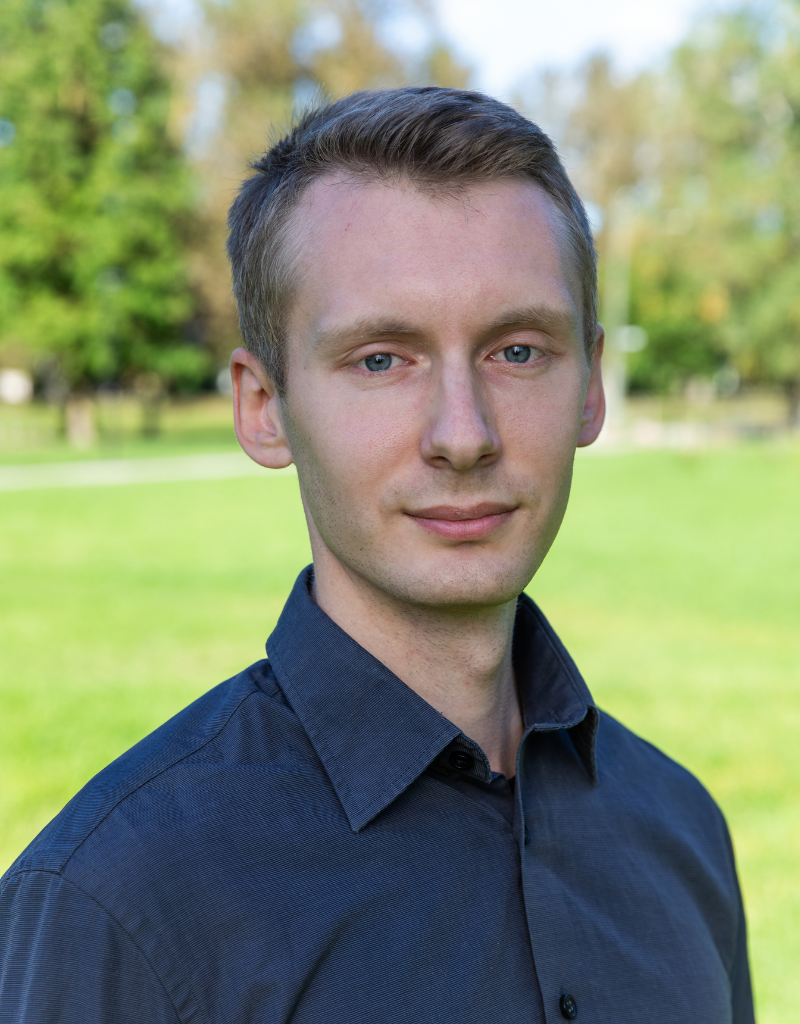
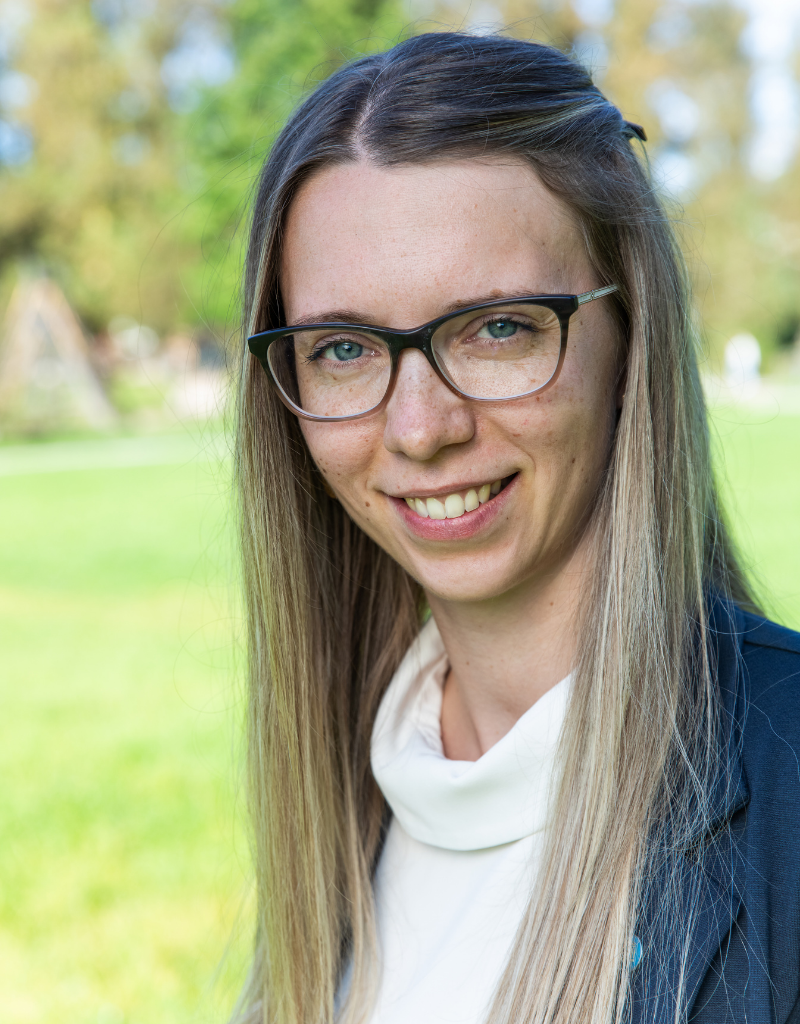
Researchers working on this theme:
Click a name for contact details and thesis topics.



Socio-environmental inequalities
Using human presence and mobility data, we examine socio-spatial inequalities across people’s daily lives and life courses. Unlike traditional studies focused on residential segregation, we explore inequalities across entire activity spaces – workplaces, leisure settings and everyday travel.
- Mobility justice and well-being: who can move, how and at what cost, and how this relates to well-being.
- Segregation: ethnic and social segregation in activity spaces.
- Accessibility modelling for transport planning: public transport accessibility, including dynamic changes across times of day.
Researchers working on this theme:
Click a name for contact details and thesis topics.


Sustainable mobility transition in urban areas
Our research advances knowledge and policy toward healthier, more just and sustainable societies, and looks at how cities and households change the way they move.
- Technological transition: energy-efficient renovation and the uptake of electric mobility in large housing estates.
- Knowledge transfer: university–city collaboration and how policies and mobility ideas travel between cities.
- Transport policy: from cycling uptake to governance of new mobility technologies.
Researchers working on this theme:
Click a name for contact details and thesis topics.

Mobile big data and methods
Mobile big data offer powerful ways to study population distribution and mobility. We develop transparent, replicable and privacy-respecting methods that combine mobile phone, smartphone and sensor data with registry and survey sources for research and official statistics – from detecting key locations and movements to scaling up from samples to populations.
- Mobile positioning-based population statistics: crisis management and spatio-temporal patterns of people.
- Modelling travel behaviour: cycling route choice and public transport accessibility models.
Researchers working on this theme:
Click a name for contact details and thesis topics.
Tourism and transnationalism
We study how tourists and temporary residents move, and we introduced the concept of “transnational activity space” to examine inequalities in cross-border contexts.
- Tourism: mobile positioning-based tourism statistics, visitor flows and the effect of events on mobility.
- Transnationalism: everyday cross-border mobility and social networks.
Researchers working on this theme:
Click a name for contact details and thesis topics.