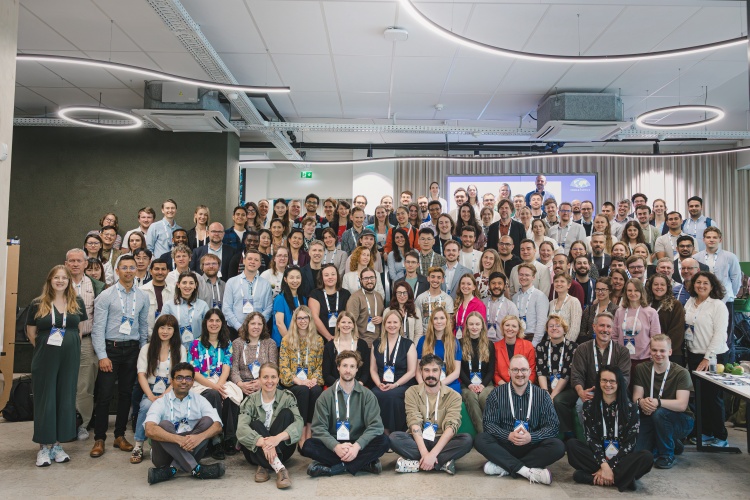
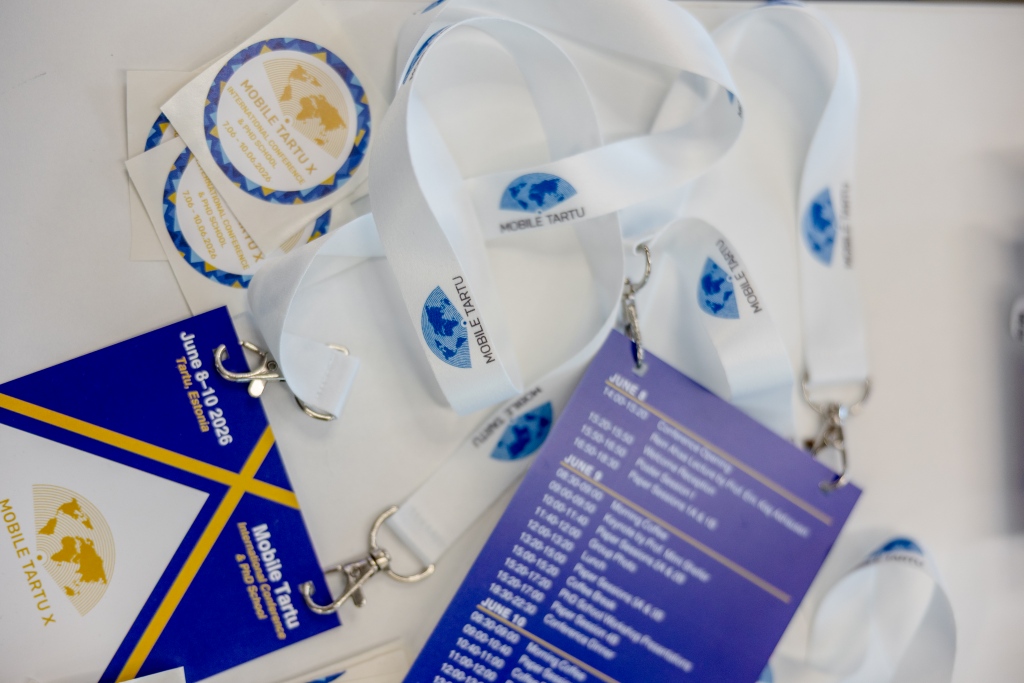
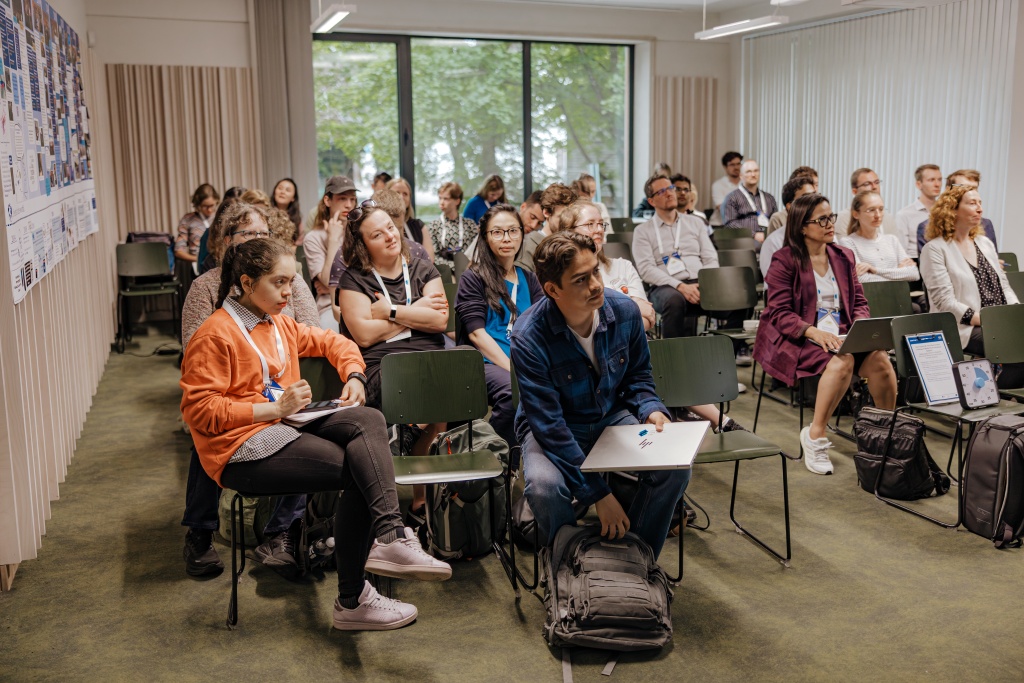
How can better data and scientific knowledge create more sustainable and just mobility systems? This question ran through nearly every keynote, presentation, discussion, and informal conversation during our recent Mobile Tartu 2026 conference, which brought 150 researchers, planners, policymakers, and practitioners from 26 countries to the University of Tartu between 7–10 June.
Across four days, the jubilee conference explored how mobility research is evolving beyond measuring where people move towards understanding why they move, how mobility systems influence everyday life, and how evidence can support more sustainable, inclusive, and people-centred societies.
With more than 50 oral presentations and 50 scientific posters, participants examined topics ranging from mobile positioning data and accessibility to artificial intelligence, digital inequalities, active mobility, transport systems, and mobility justice. While the research themes were diverse, they all pointed towards a common challenge: generating knowledge is only the first step; creating meaningful societal change is considerably more complex.


Building on two decades of mobility research
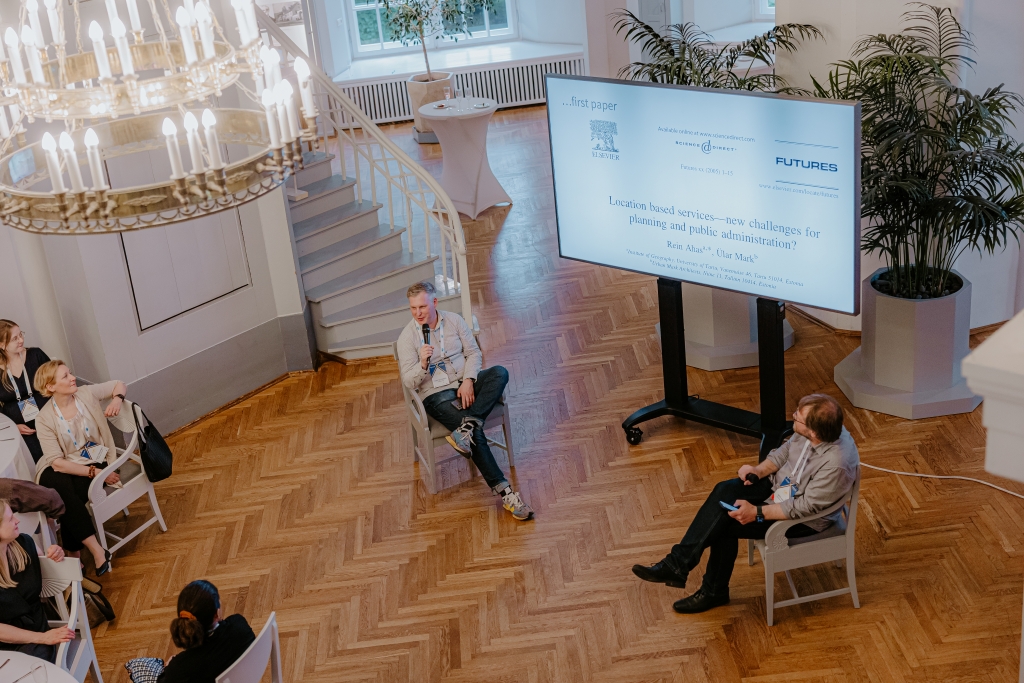
At Mobile Tartu, we jointly celebrated the remarkable development of mobility research at the University of Tartu and across the research community. The conference honoured the legacy of Prof. Rein Ahas, whose pioneering work helped establish mobile positioning data as a valuable source for understanding human mobility.
Today, the University of Tartu Mobility Lab has grown into an internationally recognised research group working across mobility data, accessibility, transport planning, spatial analysis, digital technologies, and mobility justice. The jubilee conference demonstrated how the field has expanded from developing new data sources towards addressing broader societal questions about sustainability, equity, health, and urban futures.
The conference opened with the Rein Ahas Lecture by Prof. Kay Axhausen (ETH Zürich), who reflected on the remarkable journey of mobile positioning data from an experimental research tool to an established source for official statistics, tourism analysis, spatial planning, and evidence-based policymaking. At the same time, his keynote reminded participants that advances in data collection also bring responsibilities concerning privacy, ethics, and transparency.
Understanding mobility means understanding people
Across the conference, keynote speakers repeatedly challenged participants to look beyond technology.
Prof. Mimi Sheller (Worcester Polytechnic Institute) argued that artificial intelligence and increasingly sophisticated mobility datasets should not distract researchers from a fundamental question: whose mobility is actually visible? Cyclists, pedestrians, caregivers, children, older adults, and many other groups remain underrepresented in conventional mobility datasets, making inclusion and mobility justice central research priorities for the coming years.
On the final day, Tiina Rinne reinforced this message by showing that while models can often predict movement patterns remarkably well, they are much less successful at explaining why people choose particular destinations or travel modes. Combining quantitative indicators with qualitative insights and lived experiences therefore remains essential for designing mobility systems that genuinely improve everyday life.
Throughout the scientific sessions, researchers presented new approaches for analysing accessibility, modelling activity spaces, integrating mobile phone data with official statistics, applying machine learning, and evaluating sustainable transport systems. Together, the presentations illustrated how mobility research has become increasingly interdisciplinary, bringing together geography, transport engineering, computer science, public health, urban planning, and the social sciences.
Posters that sparked conversations
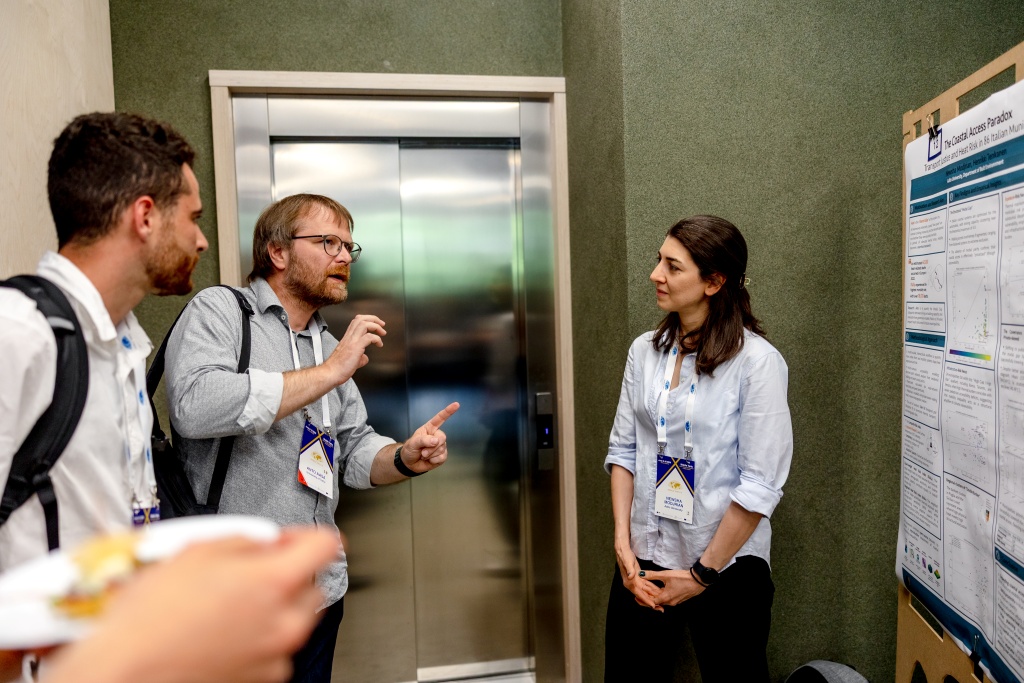
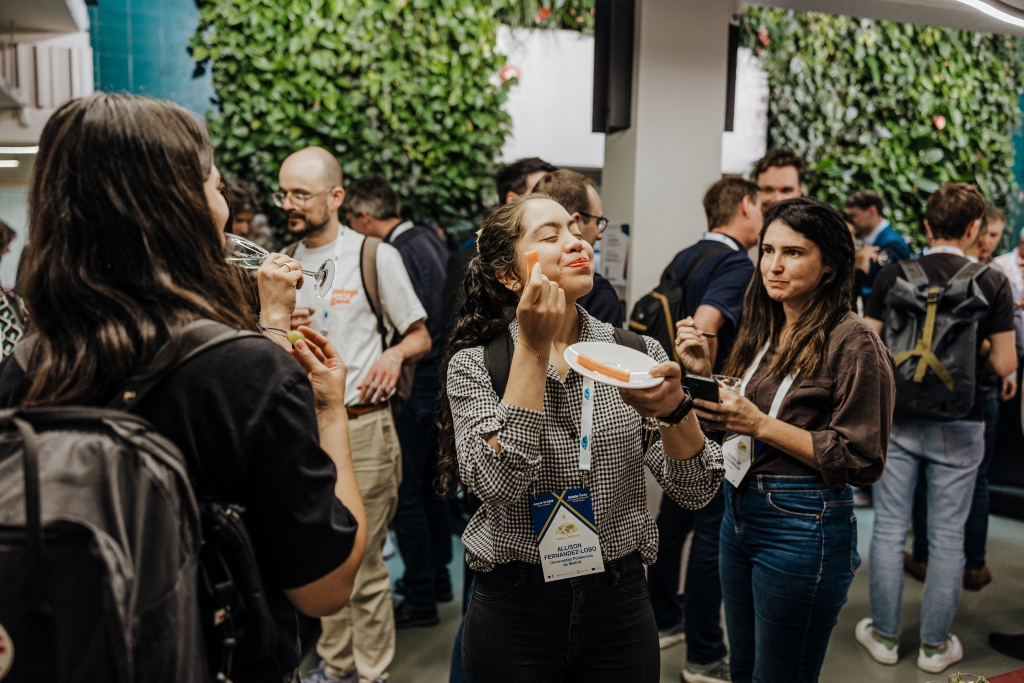
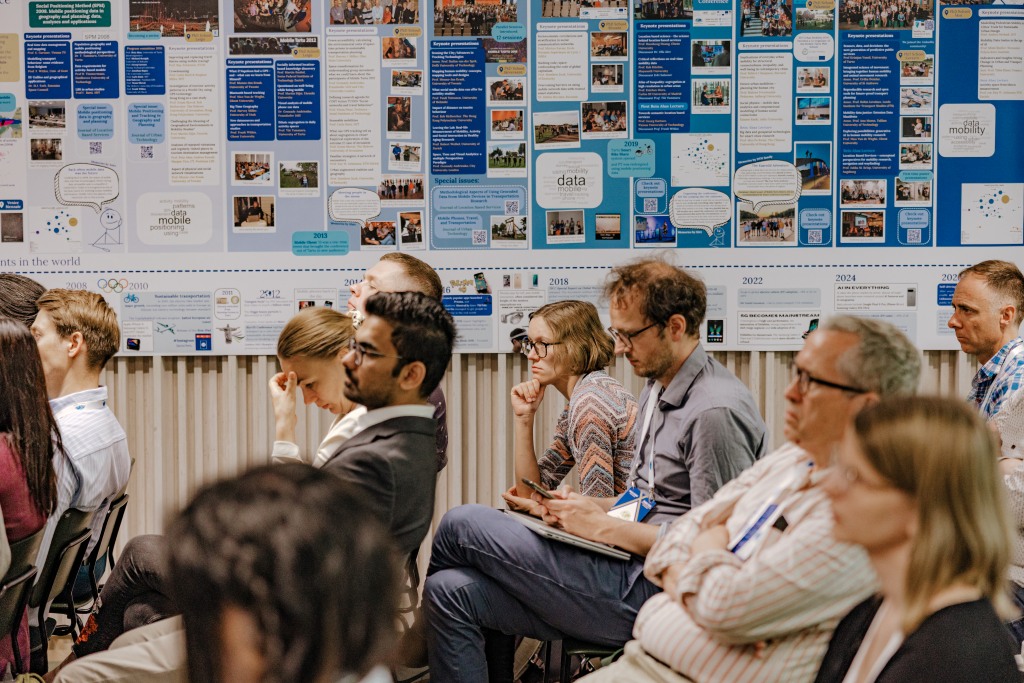
The conference’s 53 scientific posters presented in two poster sessions reflected this same diversity. Rather than simply presenting completed research, the poster sessions became lively spaces for discussion, feedback, and collaboration.
Topics ranged from public transport management, autonomous vehicles, and transport equity to AI ethics, climate resilience, accessibility, and public health. Researchers at different career stages exchanged ideas, challenged assumptions, and explored opportunities for future collaborations.
On the final day of the conference, attendees also voted for the best poster. Newsha Modjrian received the Best Poster Award for her work, “Equity, Heat Exposure, and Access to Coastal Cooling Spaces: A Risk Assessment Framework for Italian Coastal Cities,” co-authored with Henrikki Tenkanen (Aalto University).


When does data actually create change?
Perhaps the most memorable discussion took place during the closing panel, which asked a deceptively simple question: if we have more mobility data than ever before, why is change still so difficult?
The discussion, moderated by Age Poom (University of Tartu) and featuring Jiri Tintera (Tartu City Government), Pille Metspalu (HendriksonDGE/Estonian Association of Spatial Planners), Tiina Rinne (Tampere University), and Luc Wismans (University of Twente/Goudappel) as panel discussants, acknowledged that mobility research has entered an era of unprecedented data availability. Yet participants argued that more data does not automatically produce better decisions. Instead, the panel challenged the audience to think beyond the popular narrative of “data-driven cities”. Are cities truly data-driven, or merely data-informed? Data can reveal problems, evaluate interventions, and improve understanding, but it cannot replace political choices, institutional leadership, or public dialogue.
Panelists also reflected on the role of researchers themselves. Producing increasingly sophisticated analyses is valuable, but researchers should also ask whether their work helps create practical interventions. What evidence supports difficult policy decisions? Which questions matter most to cities? Which communities remain invisible in our datasets?
Another recurring theme was that mobility transitions inevitably create both winners and losers. Whether discussing cycling infrastructure, walkability, parking policy, or climate adaptation, change often encounters resistance—not because evidence is lacking, but because people are asked to alter deeply established routines and lifestyles. In this sense, participants argued that attitudes and governance often present greater barriers than technology itself.
The discussion concluded that mobility research should increasingly focus not only on measuring movement, but also on understanding behaviour, supporting dialogue, and helping society navigate complex transitions over the coming decades.
Learning beyond the lecture rooms
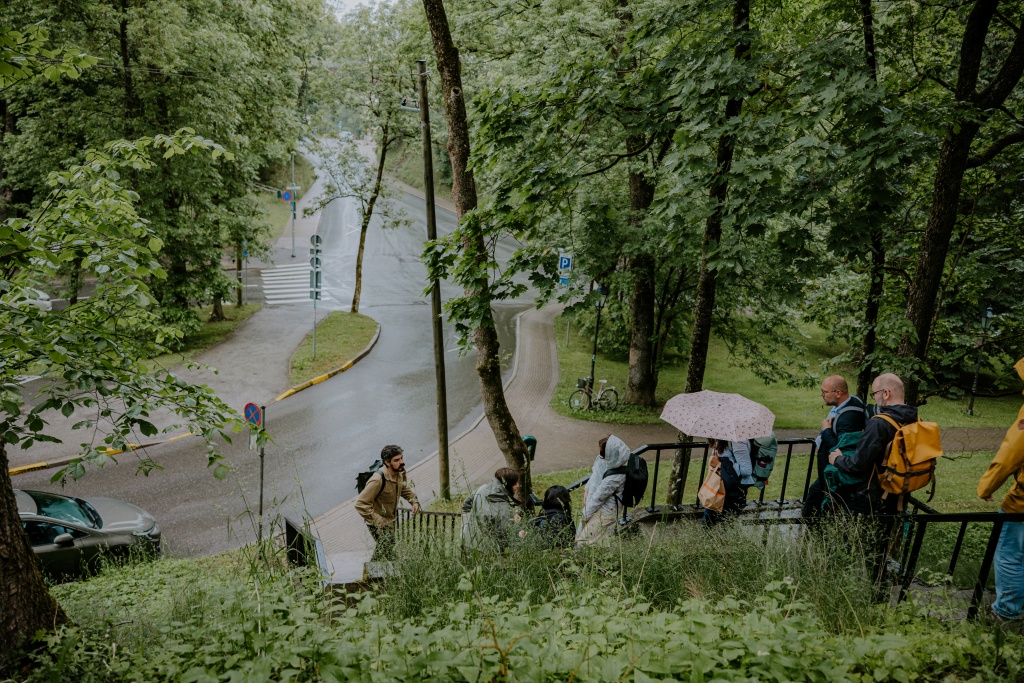
Scientific exchange extended well beyond the formal programme. During the conference days, three study tours on shared e-bikes on the courtesy of Tartu City Government were held. Karl Saidla (University of Tartu) and Madli-Johanna Maidla (Tartu Cyclists’ Association/University of Tartu) guided the participants through Tartu’s diverse cycling infrastructure and built environment.
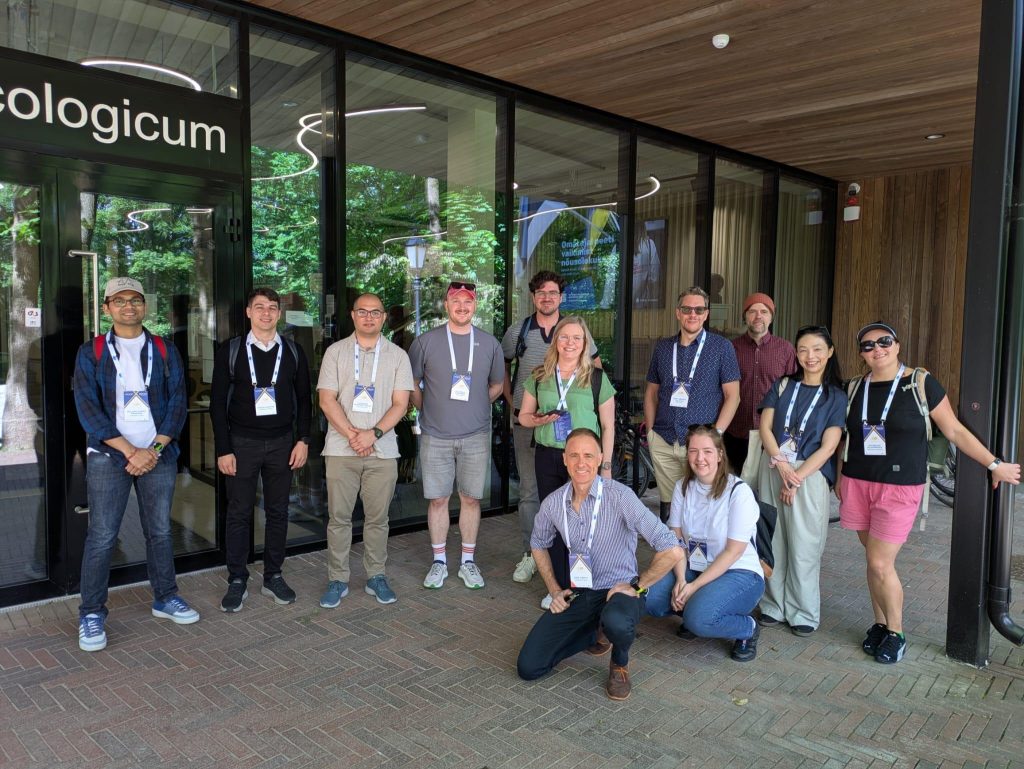
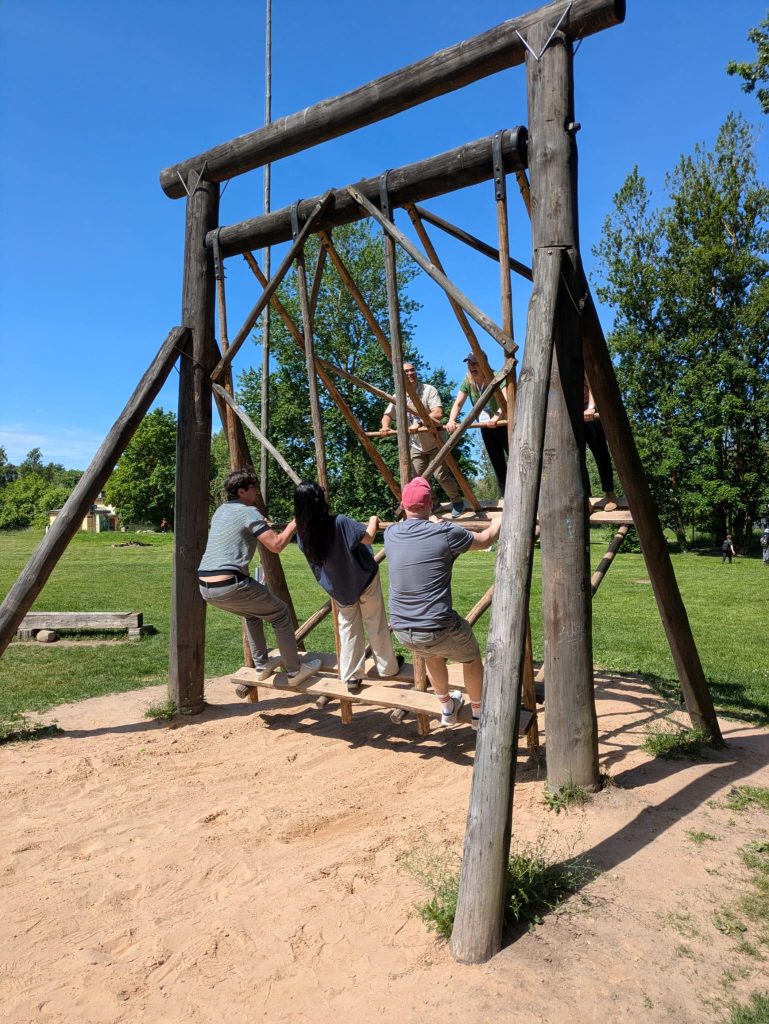
A day before the main conference started, the Mobile Tartu PhD School took off at Äksi near Lake Saadjärv, in the Ice Age Centre. Andres Sevtsuk (MIT) gave an academic lecture while doctoral researchers worked together on real-world mobility challenges through four hands-on workshops and collaborative projects. Those workshops were guided by Andres Sevtsuk (MIT), Francisco Rowe and Carmen Cabrera (University of Liverpool), Robin Lovelace and Juan Fonseca-Zamora (University of Leeds), and Anto Aasa and Ago Tominga (University of Tartu). An evening at Saadjärv offered an opportunity to continue conversations and establish new international connections in an informal setting.
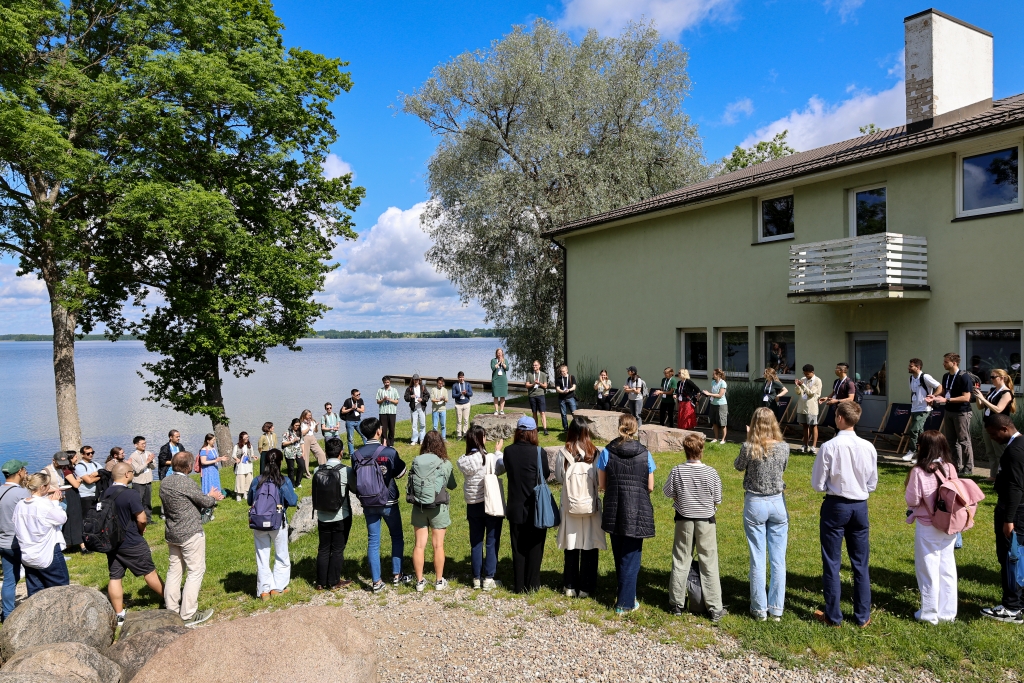
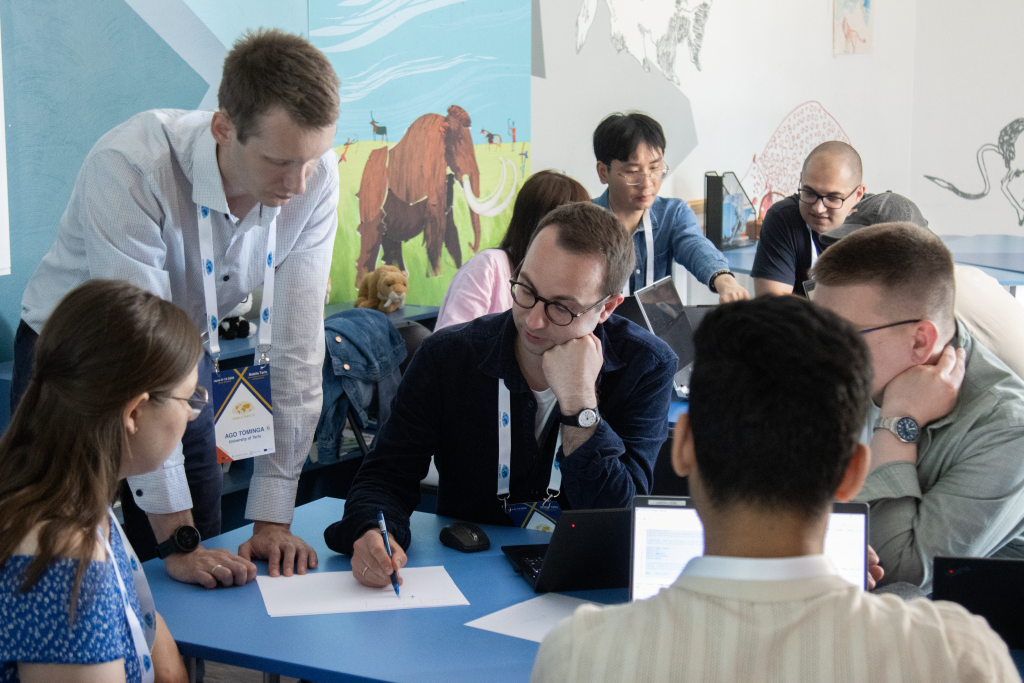
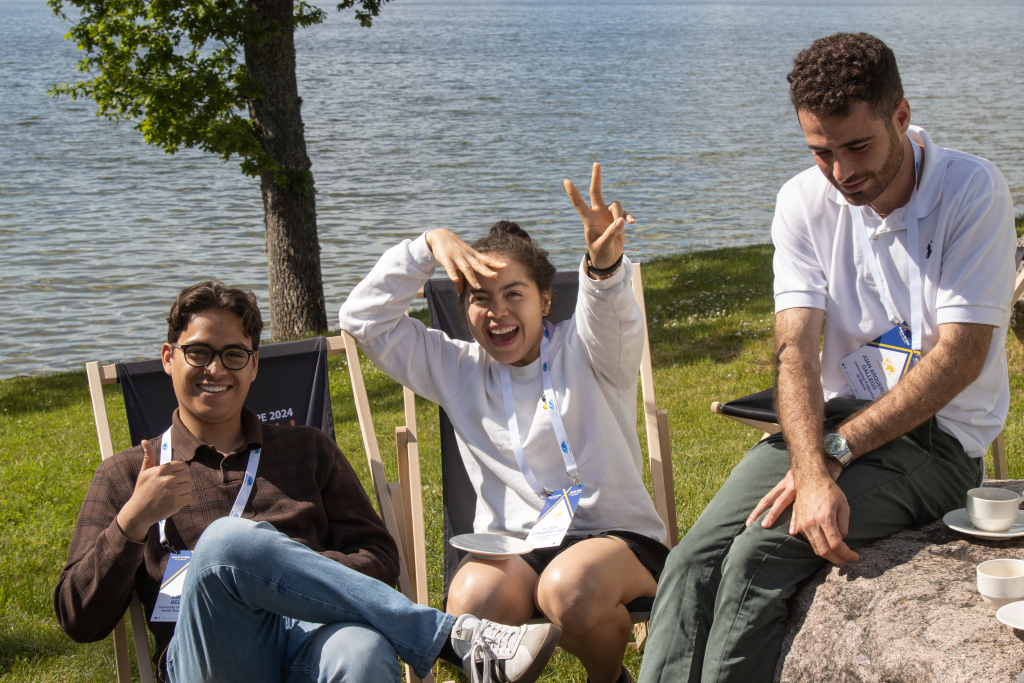
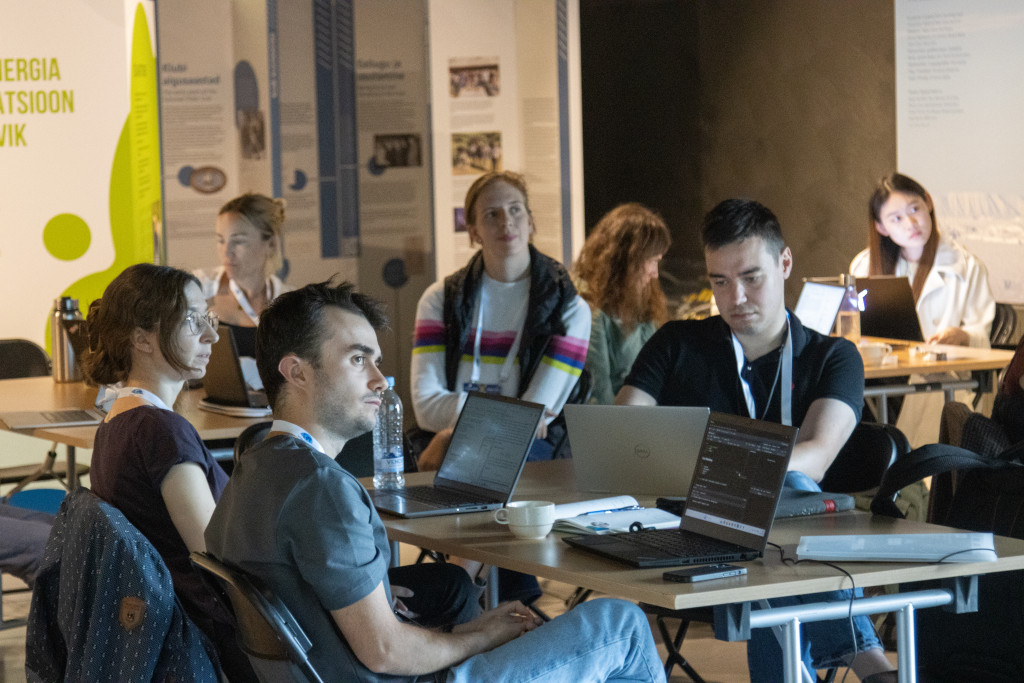
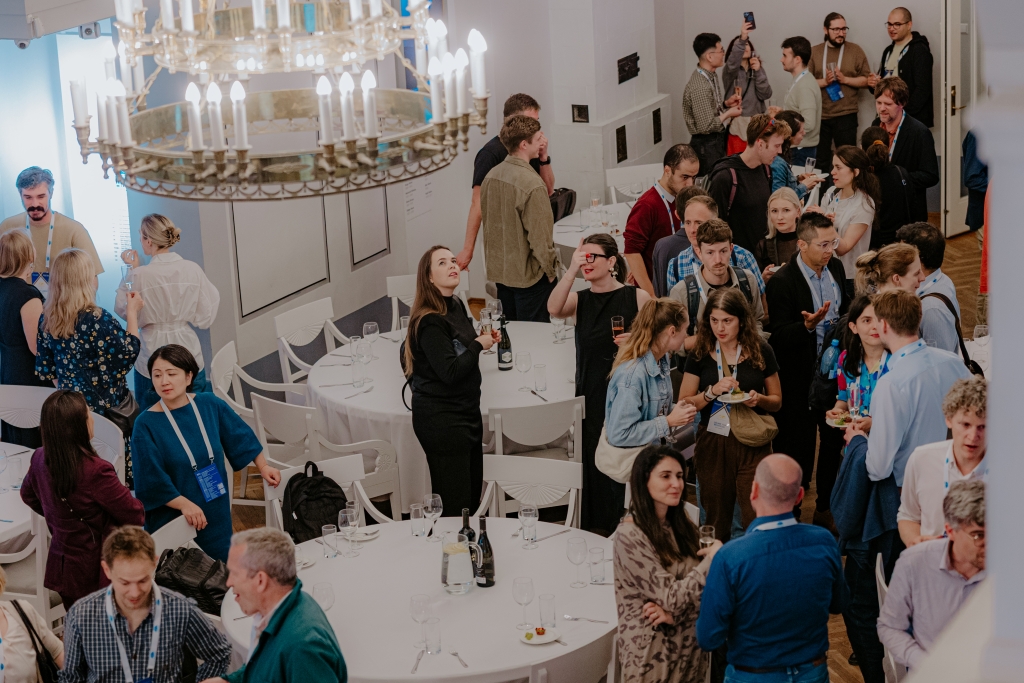
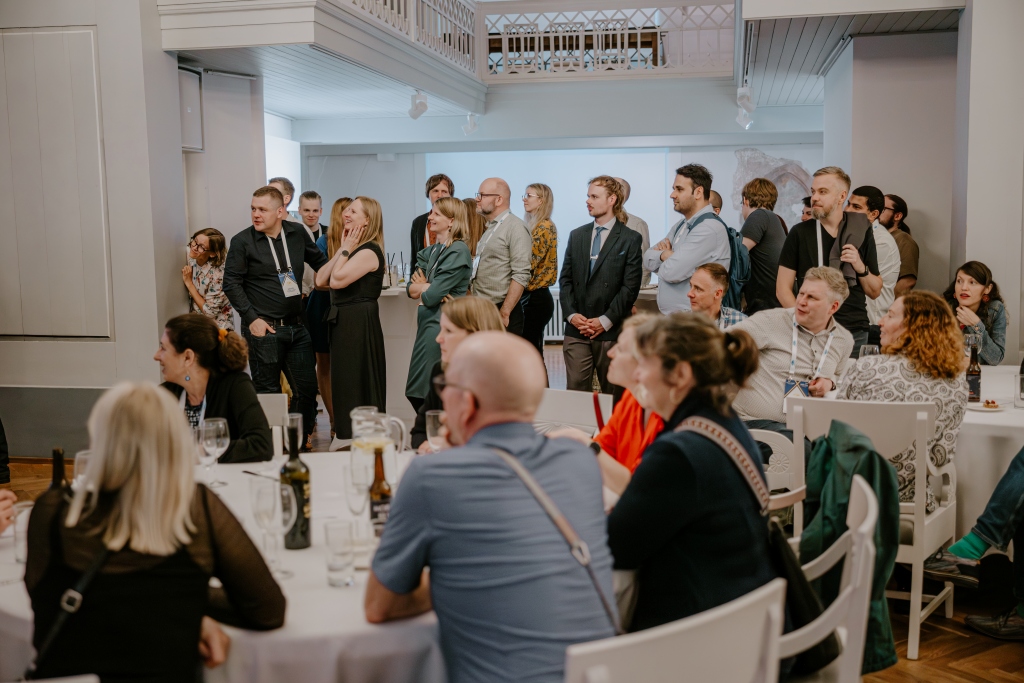
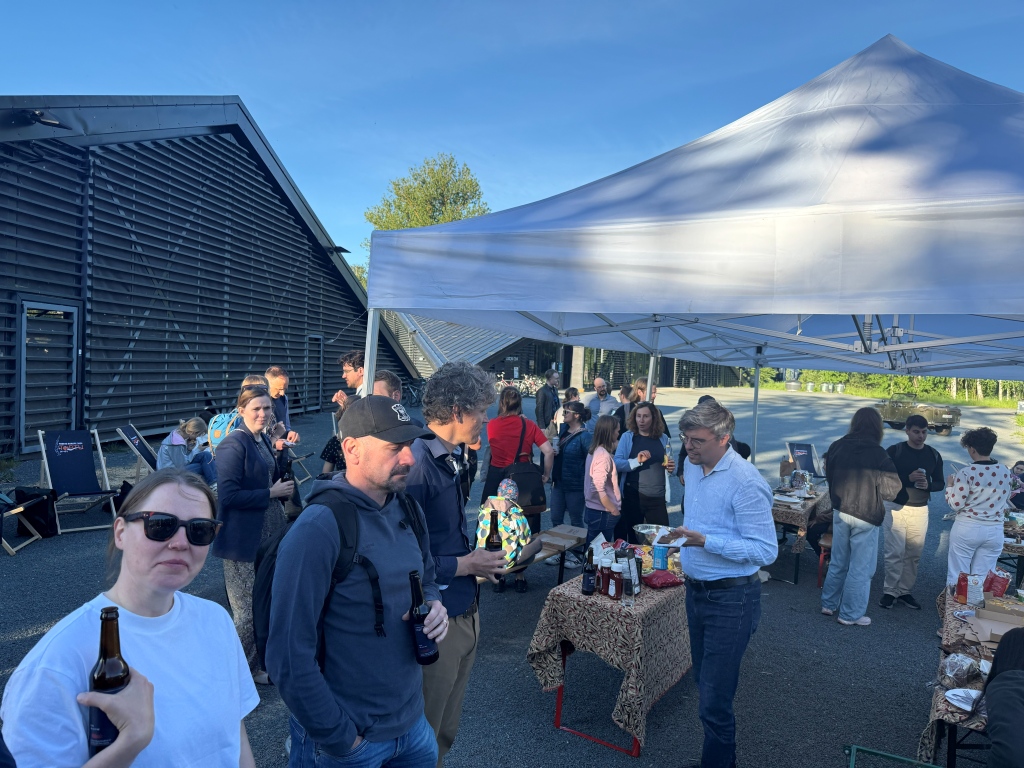
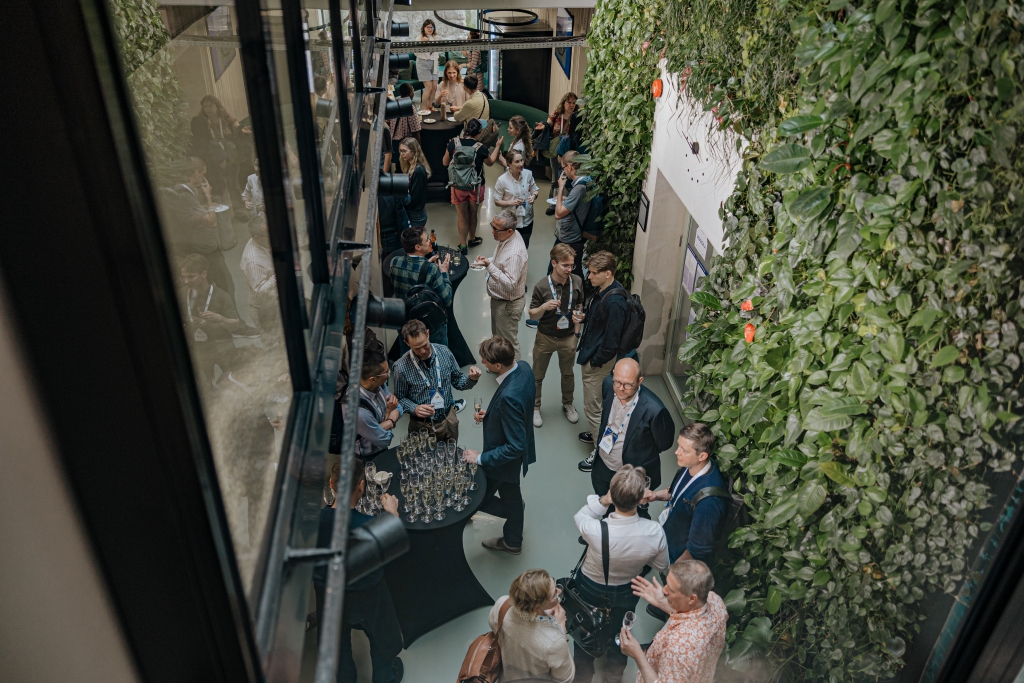
The conference dinner, held in the historic White Hall of the University of Tartu Museum, celebrated both the conference’s jubilee and the remarkable journey of mobility data research over the past two decades, with real-life examples from over twenty year-long mobile phone data tracks of some Mobility Lab members. The final evening at Lodjakoda brought participants together once more, creating space for relaxed conversations, future collaborations, and reflections on the ideas shared throughout the week.
Looking ahead
Mobile Tartu 2026 demonstrated that the future of mobility research is no longer defined simply by collecting more data. Instead, it is about connecting data with people, policy, and place. Creating more sustainable, equitable, and resilient mobility systems requires interdisciplinary research, ethical innovation, long-term collaboration, and a willingness to translate scientific evidence into real-world action.
We sincerely thank all keynote speakers, presenters, session chairs, participants, partners, co-funders, sponsors, volunteers, and organisers who contributed to making Mobile Tartu 2026 an inspiring international forum for mobility research!
Our special thanks go to EIT Urban Mobility, Estonian Doctoral School, and the Institute of Ecology and Earth Sciences for the financial support of the events. Furthermore, we thank World Bank, Positium, and NECTAR for supporting the conference with special sessions.
We look forward to welcoming the global mobility research community back to Tartu on 19–22 June 2028!

The Mobility Lab of the University of Tartu is an interdisciplinary research group that studies human mobility and its associations with society and the environment using mobile (big) data.